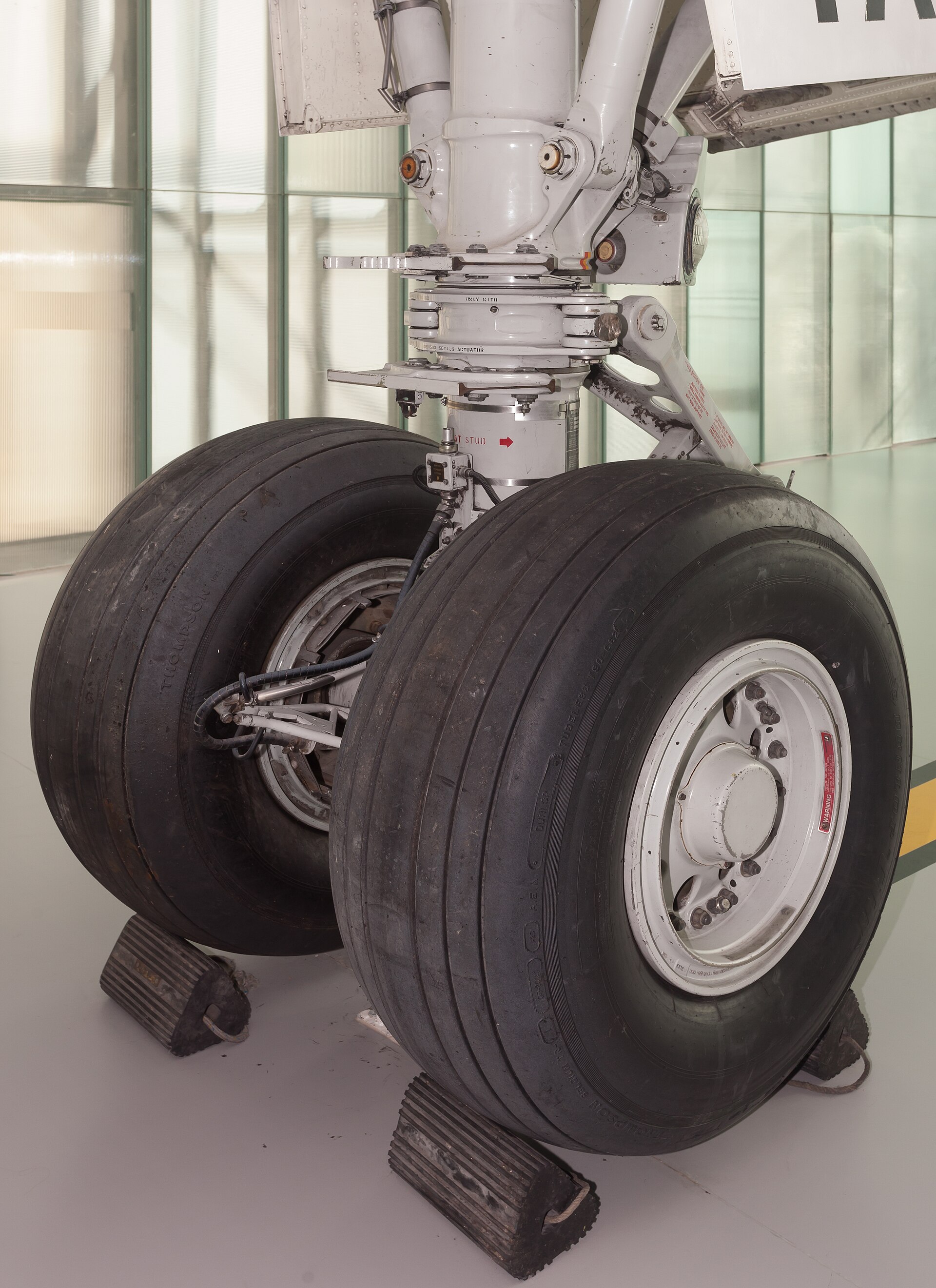
On the night of 24 June 1982, British Airways Flight 9 — a Boeing 747 named City of Edinburgh, flying from Kuala Lumpur to Perth on its way from London to Auckland — was cruising at 37,000 feet over the Indian Ocean, south of Jakarta. Aboard were 248 passengers and 15 crew. Within minutes, the biggest airliner in the sky had become the biggest glider in the sky. All four of its engines had stopped, and nobody on the flight deck yet knew why.
The culprit was Mount Galunggung, a volcano in West Java that had been erupting. Its ash cloud was dry pulverised rock — and dry ash does not show up on ordinary weather radar, which is built to spot wet weather. The 747 flew straight into the cloud on a clear, moonless night, with no warning at all.
The first signs were eerie rather than alarming: St. Elmo's fire — static electricity — dancing across the windscreen and wing edges, a sulphurous smell seeping into the cabin, and a strange glow around the engines. Then engine four surged and flamed out. A minute later, engine two went. Then engines one and three failed together. The cabin went quiet. The crew turned the gliding jet toward Jakarta and began working through emergency procedures they had never expected to use all at once.
Sources: Australian Aviation, This Day in Aviation
Here is the fun anecdote — and it is the part of the story everyone remembers. Captain Eric Moody picked up the public-address system and, with every engine on his aircraft dead, delivered what has since been called the greatest understatement in airline history:
"Ladies and gentlemen, this is your captain speaking. We have a small problem. All four engines have stopped. We are doing our damnedest to get them going again. I trust you are not in too much distress."
Passengers later said the announcement genuinely steadied the cabin. One described the mood as quiet prayer and held hands — but no panic. Moody's line worked precisely because it told the truth without dressing it up: yes, this is bad; yes, we are working on it; no, you do not need to hear us panic.
What had actually happened inside the engines explains the rescue. Volcanic ash melts in the heat of a jet engine's combustion chamber and coats the turbine blades in a glassy slag, choking the airflow until the engine flames out. But as the 747 glided down through cooler air, that coating cooled, cracked, and broke away. Somewhere around 12,000 feet, the crew tried the restart drills again — and one engine caught. Then another. Then a third. (Engine two failed again shortly after, but three engines were plenty.)
The landing was still far from routine. The ash had sandblasted the windscreen nearly opaque and stripped paint from the nose and wing leading edges, so the crew flew the approach largely on instruments, with the first officer calling out altitudes from the distance-measuring equipment. They touched down at Jakarta's Halim Perdanakusuma Airport. All 263 people aboard walked away unhurt — after roughly 42 minutes that began with four dead engines at 37,000 feet.
Sources: Today I Found Out, Australian Aviation
Before Flight 9, there was no standard playbook for volcanic ash: no agreed procedures, no global ash-tracking network, and little understanding of what ash does inside a jet engine. The Jakarta incident — together with a similar KLM encounter over Alaska's Mount Redoubt in 1989 — pushed aviation authorities to build the Volcanic Ash Advisory Centre network that now tracks ash plumes worldwide and keeps airliners clear of them. When European airspace shut down for days during Iceland's Eyjafjallajökull eruption in 2010, that caution was Flight 9's legacy in action: better a grounded fleet than another silent glide.
Flight 9 survived on three things: a crew that kept working a problem nobody had trained them for, an aircraft that glides far better than its passengers would guess, and a captain who understood that the scariest sentence in a crisis is the one that sounds scared. The engines failed because of a danger nobody could see. The people survived because of behaviour everyone could copy: stay calm, say the truth plainly, and keep restarting.
And if you ever hear a pilot describe a catastrophe as a "small problem" — take comfort. It probably means someone very competent is already fixing it.

